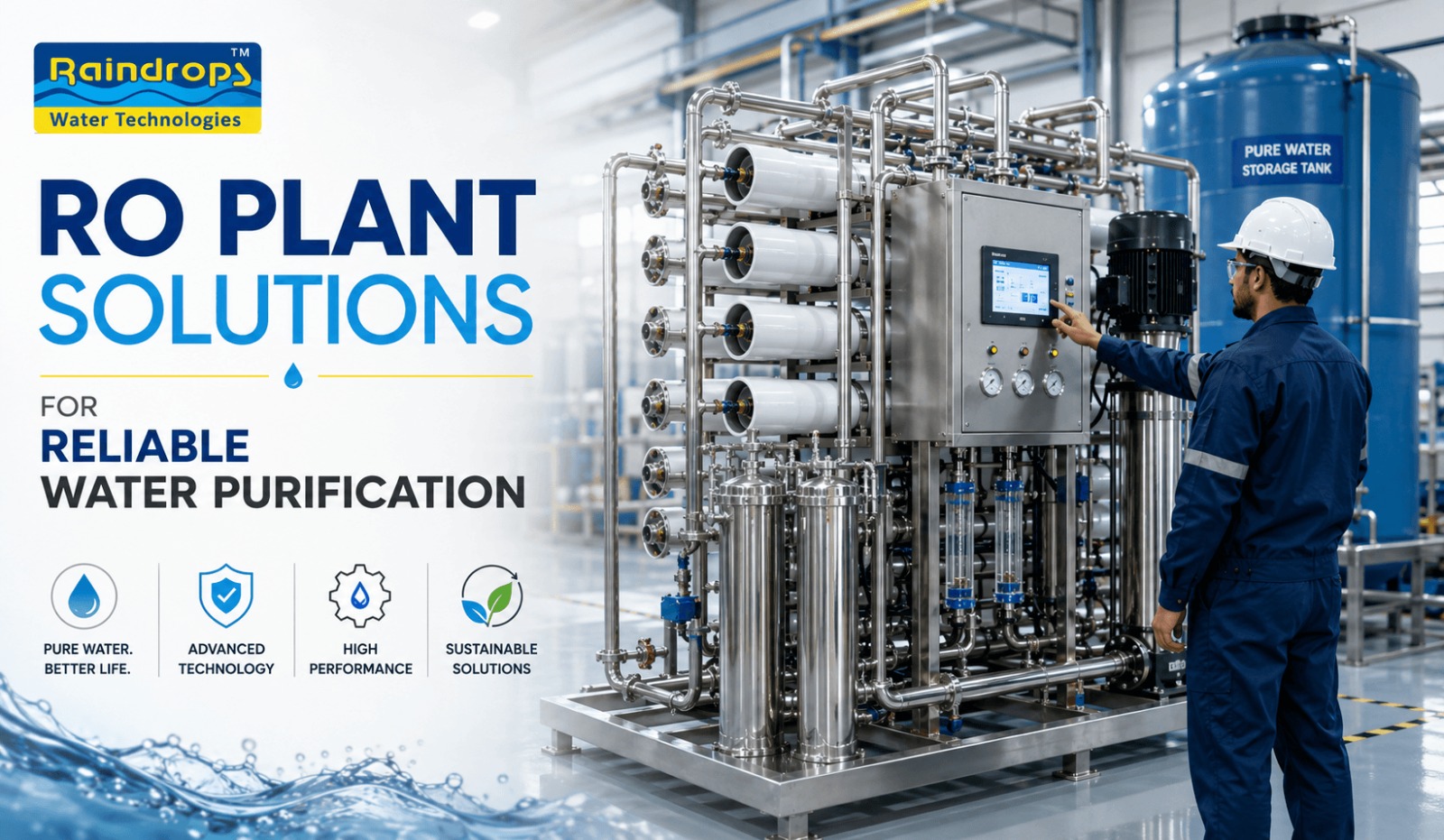
Clean water is essential for businesses that depend on consistent water quality for daily operations. A commercial ro plant is designed to remove dissolved impurities, suspended particles, and contaminants through reverse osmosis technology, making it suitable for applications across hospitality, healthcare, educational institutions, food processing, and manufacturing facilities. Selecting an appropriately designed system requires careful evaluation of water quality, treatment capacity, and operational requirements. Understanding these factors helps organizations choose efficient purification solutions that support long term performance.
1. Understanding Commercial RO Plant Design and Function
A reverse osmosis system consists of several integrated components that work together to deliver purified water. Proper system design ensures efficient filtration while maintaining stable operating performance under varying water conditions.
Important elements of an RO system include:
- Pre filtration units
- High pressure pumps
- Reverse osmosis membranes
- Storage and distribution systems
- Monitoring and control equipment
Each component contributes to effective purification and helps maintain reliable water quality throughout continuous operation.
2. Key Considerations Before Selecting a Water Treatment System
Choosing an industrial ro plant requires evaluating several technical and operational factors. Proper planning ensures that the selected system meets present requirements while allowing for future operational growth.
Before finalizing a system, organizations should assess:
- Daily water demand
- Feed water quality
- Available installation space
- Energy consumption
- Maintenance accessibility
Reviewing these aspects helps ensure efficient system performance while supporting sustainable water management practices.
3. Comparing Essential Components of RO Systems
Understanding the function of each major component simplifies the selection process and supports informed purchasing decisions.
| Component | Primary Purpose |
|---|---|
| Pre filters | Remove larger suspended particles |
| RO membranes | Eliminate dissolved impurities |
| High pressure pump | Provides pressure required for filtration |
| Storage tank | Stores treated water |
| Control panel | Monitors and regulates system operation |
A properly integrated system allows these components to work together efficiently while maintaining consistent purification performance.
4. Selecting the Right Manufacturing Expertise
Choosing a reliable commercial ro plant manufacturer involves more than evaluating production capacity. Engineering expertise, system customization, and quality manufacturing all contribute to dependable long term performance.
Important evaluation criteria include:
- Engineering capability
- Material quality
- Manufacturing standards
- Quality inspection procedures
- Technical support availability
Careful assessment of these factors helps organizations select water treatment systems that align with their operational objectives.
5. Maintenance Practices for Reliable Performance
Regular maintenance is essential for preserving purification efficiency and extending equipment life. Preventive servicing helps identify potential issues before they affect water quality or system operation.
Recommended maintenance activities include:
- Replace filters at scheduled intervals
- Monitor membrane performance
- Inspect pumps and valves
- Check operating pressure regularly
- Maintain service records for future reference
Consistent maintenance supports uninterrupted operation while helping maintain high quality treated water over the long term.
Frequently Asked Questions
1. What is the primary purpose of an RO plant?
2. Which industries commonly use RO systems?
3. Why is feed water quality important?
4. How often should RO systems be maintained?
5. What factors affect the performance of an RO plant?
Conclusion
Reliable water purification depends on proper system selection, quality engineering, and routine maintenance. Evaluating treatment capacity, feed water conditions, and operational requirements helps organizations choose systems that support efficient long term performance. Businesses considering an industrial ro plant manufacturer should assess engineering expertise, manufacturing quality, and maintenance support before making a decision. Raindrop continues to contribute to effective water treatment solutions through thoughtfully engineered reverse osmosis systems designed for diverse commercial and industrial applications.


